
Discover the benefits of eating makhana daily. Learn how fox nuts support weight loss, heart health, digestion, and overall wellness in a natural way.
Introduction
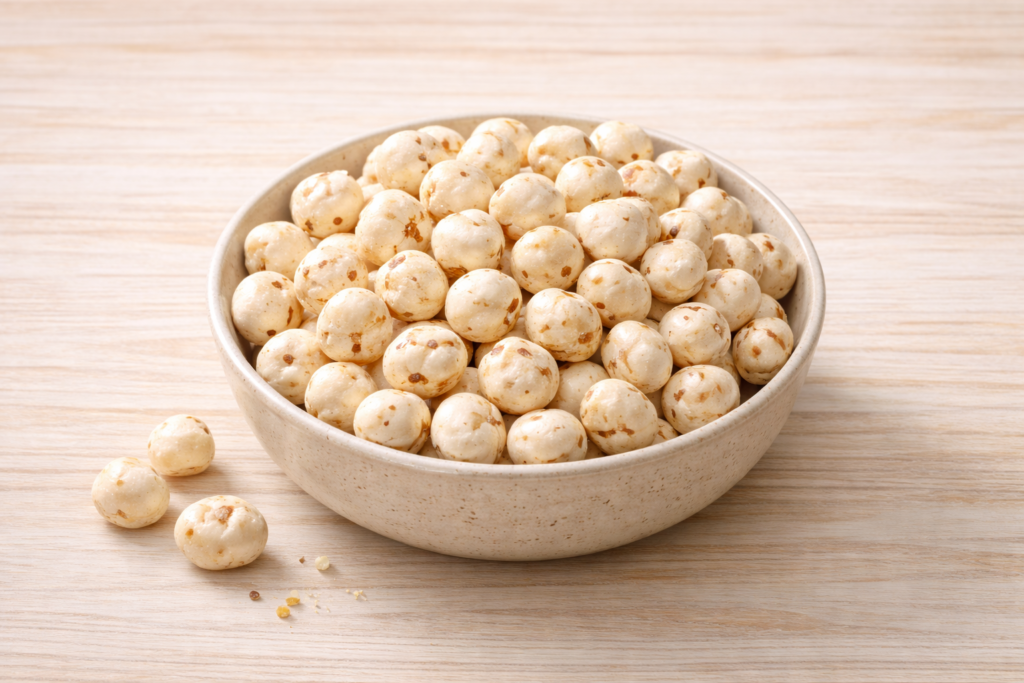
Makhana, commonly known as fox nuts or lotus seeds, is a traditional Indian superfood that has been valued for centuries in Ayurveda. These light, crunchy white seeds are not only tasty but also packed with essential nutrients that support overall health.
In recent years, makhana has gained global popularity as a healthy alternative to fried and processed snacks. Whether your goal is weight management, better digestion, or simply eating cleaner, adding makhana to your daily diet can be a smart and sustainable choice.
In this complete guide, you will learn what makhana is, its nutritional value, and the scientifically supported and traditionally believed benefits of eating makhana daily.
What Is Makhana?
Makhana is derived from the seeds of the Euryale ferox plant, which grows in stagnant water bodies such as ponds and wetlands. It is mainly cultivated in India, with Bihar contributing nearly 90% of the country’s total production.
The harvesting process is labor-intensive and traditional. The seeds are collected from ponds, sun-dried, roasted at high temperatures, and then cracked open to reveal the edible white puffs. This process has been followed for generations and helps retain the nutritional quality of makhana.
In Indian cuisine, makhana is used in curries, kheer (pudding), roasted snacks, and fasting foods due to its sattvic nature as described in Ayurveda.
Nutritional Profile of Makhana
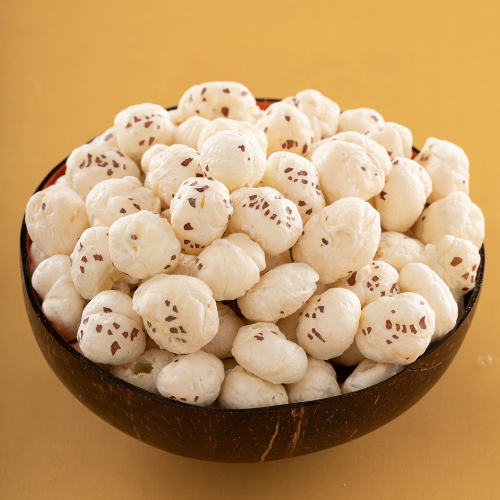
Makhana is nutrient-dense while being naturally low in fat. Below is the approximate nutritional value per 100 grams of raw makhana:
- Calories: 347 kcal
- Protein: 9.7 g
- Carbohydrates: 76.9 g
- Fat: 0.1 g
- Dietary Fiber: 14.5 g
- Calcium: 60 mg
- Phosphorus: 390 mg
- Iron: 1.4 mg
- Magnesium & Potassium: Present in good amounts
- Glycemic Index: Low
Although 100 grams appears calorie-dense, a typical serving size of 30–40 grams provides roughly 100–120 calories, making it ideal for daily consumption.
Makhana is gluten-free, cholesterol-free, and low in sodium, making it suitable for people with gluten intolerance and those following heart-friendly diets.
Top Benefits of Eating Makhana Daily
1. Supports Weight Management
Makhana is low in fat and high in fiber, which helps you feel full for longer periods. This reduces unnecessary snacking and overeating. Its moderate protein content also supports lean muscle maintenance.
When consumed in controlled portions, roasted makhana can be an excellent snack for those aiming to manage or lose weight.
2. Supports Heart Health
Makhana contains magnesium and potassium, which help maintain healthy blood pressure levels. Its low sodium and zero cholesterol content make it a heart-friendly snack.
The antioxidants present in fox nuts may help protect the heart from oxidative stress and support overall cardiovascular wellness when consumed as part of a balanced diet.
3. Helps Maintain Stable Blood Sugar Levels
Due to its low glycemic index and high fiber content, makhana releases glucose slowly into the bloodstream. This helps avoid sudden blood sugar spikes.
For people with diabetes, makhana can be included as a snack in moderation, preferably roasted and unsweetened.
4. Strengthens Bones and Teeth
Makhana provides calcium, phosphorus, and magnesium, which are essential for maintaining strong bones and teeth. Regular intake may help support bone density, especially in older adults and individuals with low calcium intake.
It is also a good plant-based calcium source for those who are lactose intolerant.
5. Improves Digestive Health
The high fiber content in makhana promotes regular bowel movements and supports gut health. It is light on the stomach and easy to digest, making it suitable for people with sensitive digestion.
Adequate water intake is recommended when consuming fiber-rich foods like makhana.
6. Provides Antioxidant and Anti-Aging Support
Makhana contains natural antioxidants that help combat free radicals in the body. These antioxidants support healthy skin, reduce oxidative stress, and contribute to overall cellular health.
Traditionally, makhana has been valued for promoting longevity and vitality.
7. Traditionally Supports Kidney Health
According to Ayurvedic traditions, makhana is believed to support kidney function and help maintain urinary health. While modern research is limited, makhana is generally considered a gentle and nourishing food.
Individuals with existing kidney conditions should consult a healthcare professional before regular consumption.
8. Helps Reduce Inflammation
Makhana contains natural plant compounds such as flavonoids that may help reduce inflammation in the body. Including anti-inflammatory foods like makhana in your diet may support joint and muscle comfort.
9. May Promote Relaxation and Better Sleep
Makhana provides magnesium, a mineral known to support relaxation and nervous system balance. Consuming makhana in the evening may help promote calmness and improved sleep quality.
10. Traditionally Linked to Vitality and Energy
In Ayurveda, makhana is traditionally considered a vitality-enhancing food. It is believed to support energy levels and overall strength when consumed regularly as part of a nutritious diet.
How to Eat Makhana Daily
- Roasted Snack: Dry roast or lightly roast in ghee with mild spices
- Curries: Add roasted makhana to gravies for texture
- Makhana Kheer: A healthy dessert option
- Trail Mix: Combine with nuts and seeds
- Raita & Soups: Use crushed makhana for nutrition and thickness
Recommended Daily Intake
- Ideal Quantity: 30–40 grams per day
- Best Time: Mid-morning or evening snack
- Preparation Tip: Always roast before consumption for better digestion
Possible Side Effects and Precautions
Makhana is safe for most people when consumed in moderation. However:
- Excess intake may cause bloating due to high fiber
- Drink enough water to avoid constipation
- People with food allergies should exercise caution
- Diabetics and individuals on medication should monitor their levels
Makhana vs Other Popular Snacks
- Vs Potato Chips: Lower fat, no preservatives, higher nutrition
- Vs Popcorn: More protein and minerals
- Vs Roasted Nuts: Fewer calories and less fat
- Vs Crackers: No refined flour or additives
How to Choose Good Quality Makhana
- Uniform, bright white appearance
- Crisp texture, not chewy
- Mild, nutty aroma
- Airtight packaging with recent manufacturing date
- Prefer Bihar-grown or organic varieties
Conclusion
Makhana is a simple yet powerful addition to a healthy lifestyle. From supporting digestion and heart health to aiding weight management and providing essential minerals, the benefits of eating makhana daily are extensive.
Its versatility, affordability, and nutritional value make it an excellent alternative to unhealthy snacks. Whether roasted, cooked, or added to meals, makhana fits easily into modern diets while staying rooted in traditional wisdom.
By consuming makhana in moderation and choosing quality products, you can enjoy its benefits safely and consistently.
Disclaimer: This article is for informational purposes only and does not replace professional medical advice. Always consult a qualified healthcare provider before making dietary changes, especially if you have medical conditions or are taking medication.